
Commercial Roof Restoration: Methods, Materials & Management
Extend the life of your roof with commercial roof restoration. Learn methods, materials, and when restoration beats full replacement.
Published April 30, 2025 Updated June 1, 2025 By TopKey Construction
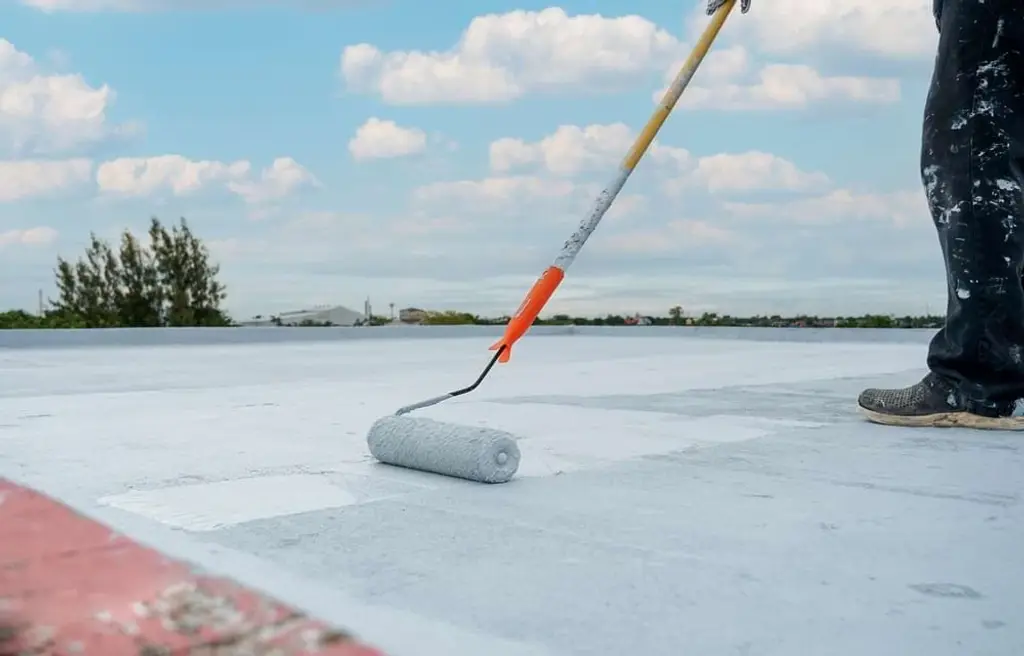
Overall, commercial buildings are built with more durable materials and techniques than homes or other buildings. However, they still age, and as they do, their roofs age along with them. Building owners and facility managers caring for older buildings need to know how to handle deteriorating roof surfaces, whether that means a roof replacement or, often the better option, a commercial roof restoration.
In this guide, we’ll go over the most effective roof restoration methods, the materials used to achieve excellent results, and how to properly manage the restoration process. Whether the issue is frequent leaks, rising energy costs, a visibly failing roof, or just the end of your roof’s lifespan, this guide may help you avoid complete replacement.
What Is Commercial Roof Restoration?
A commercial roof restoration is the process of repairing and rejuvenating an existing roof to extend its serviceable life without complete replacement. The roof restoration process involves an inspection, surface prep, roof repairs, and applying special roof coatings that restore the roofing surface’s strength and waterproofing without a total roof replacement.
For many commercial property owners, these restoration systems are more affordable and just as effective as a full replacement. They’ll enjoy benefits such as:
- Extended service life by up to 20 years
- Enhanced energy efficiency
- Decreased energy bills
- Reduced landfill waste
- Improved protection from environmental elements
- Minimal disruption to building occupants during the process
When Is Roof Restoration a Viable Option?
Unfortunately, not every commercial roof qualifies for restoration. However, if your roof’s current condition is structurally sound, restoration could be a viable and smarter path forward instead of a complete roof replacement. Eligible roofing systems usually include:
- Flat roofs
- Metal roofs
- Built-up roofs
- Modified bitumen
- Single-ply membranes
Some signs that your roof may be a candidate or benefit from a restoration include:
- Aging but intact membranes
- Ponding water or small leaks
- Deterioration of the surface but not the structure
- Increased energy costs or declining energy efficiency
With an in-depth evaluation, your contractor can determine if restoration is right for your commercial facility or if a complete roof replacement is necessary.
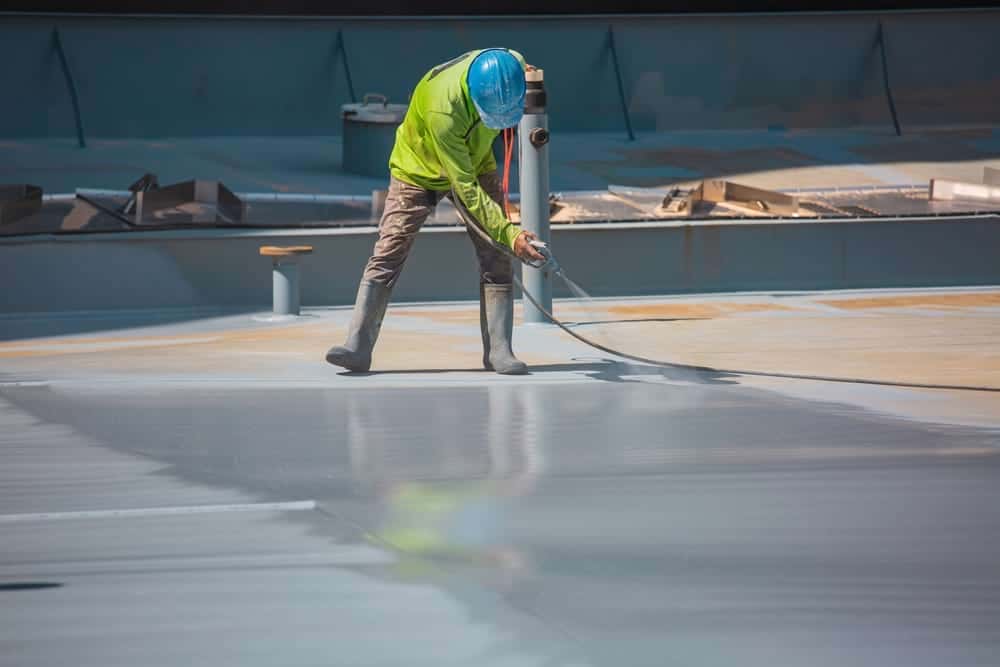
Commercial Roof Restoration Methods
The commercial roof restoration process begins with a detailed inspection of your roof. Professionals will examine the roof’s current condition, underlying structure, and history of roof repairs to determine if restoration is a good option. Once deemed eligible, the following steps are taken:
1. Surface Preparation
The roof surface must be thoroughly cleaned and prepped. Dirt, debris, and loose materials are removed to uncover any damage and to ensure strong adhesion for any coatings or sealants.
2. Repairing the Existing Roof
All leaks, holes, blisters, dips, and leaky seams are addressed. If necessary, sections of the current roof are replaced to ensure a sound base.
3. Applying Roof Coatings
The final step is applying a protective coating over the entire roofing system. These roof coatings form a watertight membrane that protects against UV rays, moisture, and extreme weather, restoring the membrane’s integrity and flexibility.
Common Materials Used in Roof Restoration
There are several restoration systems available, depending on your roof type, climate, and performance goals. Here are some of the most widely used roofing materials:
Silicone Coatings
Silicone coatings are durable and ideal for flat roofs that experience ponding water. They create a seamless, watertight membrane that resists UV damage and chemical exposure.
Polyurethane Foam
This system adds insulation and improves structural integrity. It creates a seamless surface that eliminates joints and seams—common sources of leaks.
Modified Bitumen
This material is often used to restore built-up or asphalt roofs. It offers excellent elasticity and durability, especially in colder climates.
These systems are applied directly over the existing roof, eliminating the need for tear-off and reducing landfill waste.
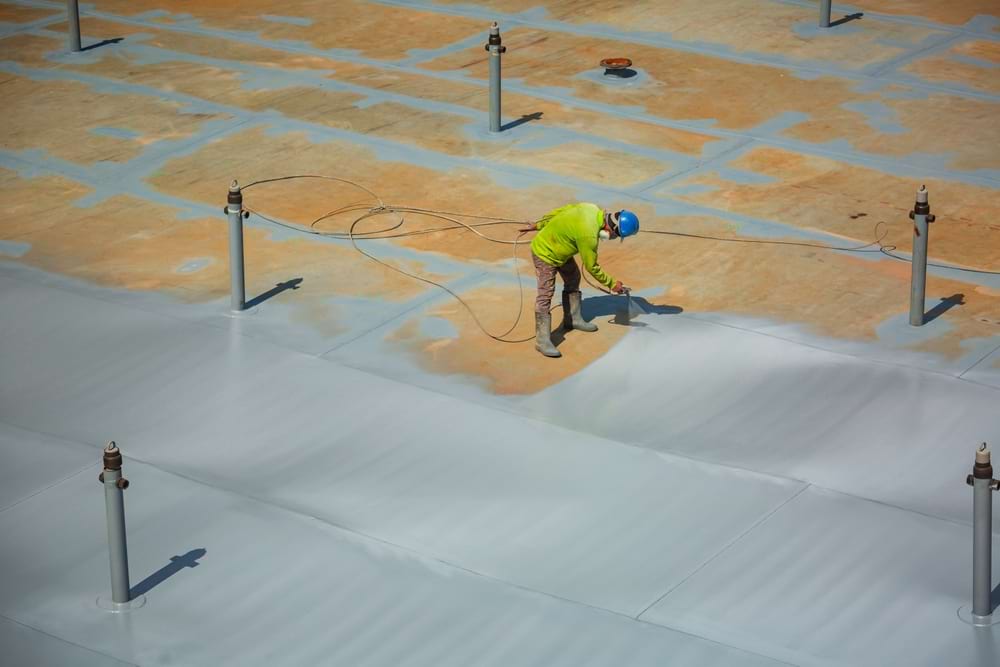
The Advantages of Commercial Roof Restoration
There are a ton of benefits to restoring your roof instead of opting for a brand new roof. Here’s what makes restoration such an attractive option for commercial properties:
- Cost savings: Avoid the high price tag of a complete replacement
- Less disruption: No need to remove the entire roofing system, keeping operations running
- Improved energy efficiency: Reflective coatings reduce cooling loads by reflecting UV rays
- Sustainability: Keeps debris out of landfills and maximizes the life of your roofing materials
- Longer roof life: Add 10–20 years with proper restoration and maintenance
Managing a Commercial Roof Restoration Project
Taking on a roof restoration project for a commercial property requires careful planning. Here are a few steps to keep your construction projects on track:
-
Evaluate the Roof’s Current Condition
-
-
- A thermal imaging camera can help assess moisture levels, insulation performance, and the overall health of the roof.
-
-
Choose the Right Contractor
-
-
- Hire a specialist in commercial roofing services who understands your roofing system and has experience with different restoration systems.
-
-
Prioritize High Quality Materials
-
-
- Always use tested, manufacturer-approved products for lasting results. Cheap materials may make the project more affordable upfront but also lead to premature failure.
-
-
Plan for Maintenance
-
- Even a restored roof needs regular upkeep and proper maintenance. Schedule annual inspections to catch small problems before they become big ones.
Is Restoration Right for Your Roof?
Every commercial roof is different, but if your roof still has some life left, commercial roof restoration may be the ideal solution. Whether you manage a single building or multiple commercial properties, restoring roofs instead of replacing them can save time, money, and hassle.
TopKey Construction specializes in evaluating, restoring, maintaining, and replacing commercial roofing systems with precision and care. We use only high quality materials, proven restoration systems, and industry best practices to deliver results that last. If your roof is restoration eligible, we’ll help restore it to its glory.
Schedule Your Roof Inspection Today
Don’t wait for leaks, cracks, or skyrocketing energy bills to tell you it’s time. Let TopKey Construction inspect your roof’s current condition and recommend the best solution—whether it’s a simple repair, a full coating, or a comprehensive restoration project.
Restore your roof the right way with a trusted team and expert advice. Contact TopKey Construction to get started with your commercial roof restoration today.